
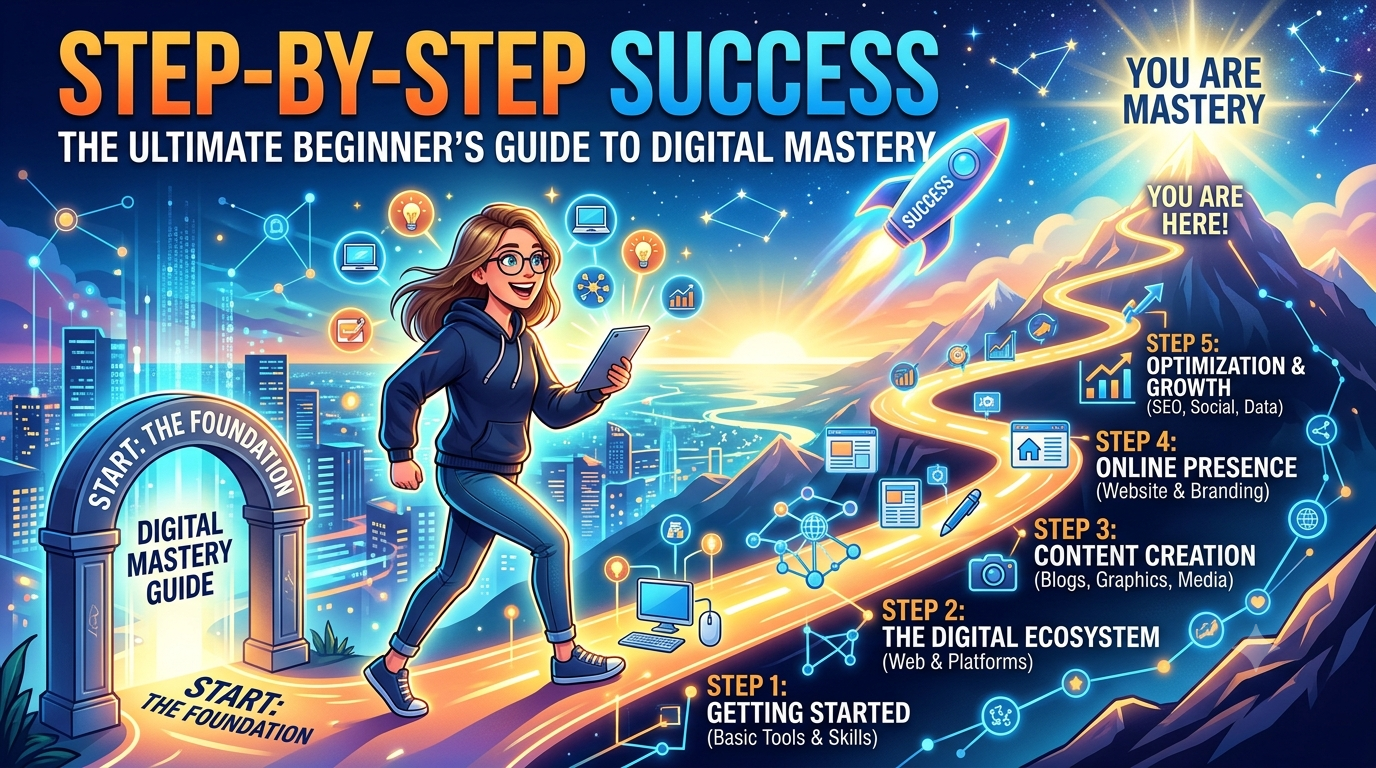
Navigating the digital world can feel overwhelming when you are just starting out. Between new tools, technical jargon, and constant platform updates, knowing where to focus your effort isn’t always obvious.
This guide breaks down the essential steps to build a solid foundation, establish your digital presence, and master the skills required to thrive online.
Phase 1: Define Your Digital Core
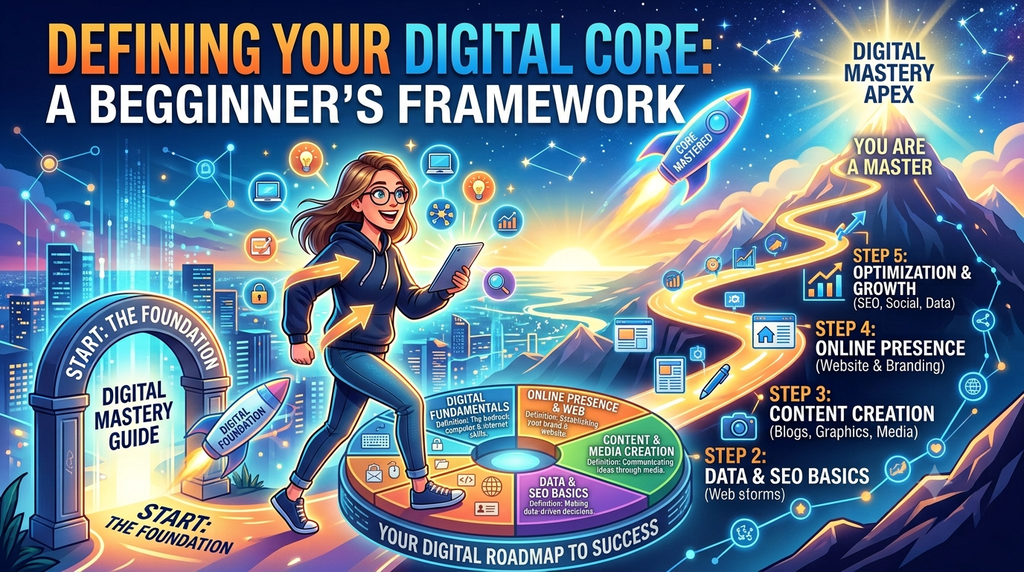
Before jumping into specific tools or marketing strategies, you need clarity on your purpose and technical setup.
- Clarify Your Primary Goal
- Are you building a personal brand, launching an e-commerce store, or developing a portfolio?
- Define one primary metric for success (e.g., website traffic, lead form submissions, or sales).
- Secure Your Digital Real Estate
- Domain Name: Choose a short, memorable
.comdomain that matches your brand or name. Keep it easy to spell and free of hyphens. - Custom Email: Set up a professional email address using your domain (e.g.,
hello@yourdomain.com) through Google Workspace or Microsoft 365 to establish immediate trust.
- Domain Name: Choose a short, memorable
- Select the Right Platform
- Content & Blogs: WordPress.org (for maximum flexibility) or Ghost (for clean, focused publishing).
- Simple Websites & Portfolios: Framer, Webflow, or Squarespace.
- E-Commerce: Shopify.
Phase 2: Build Your Foundation
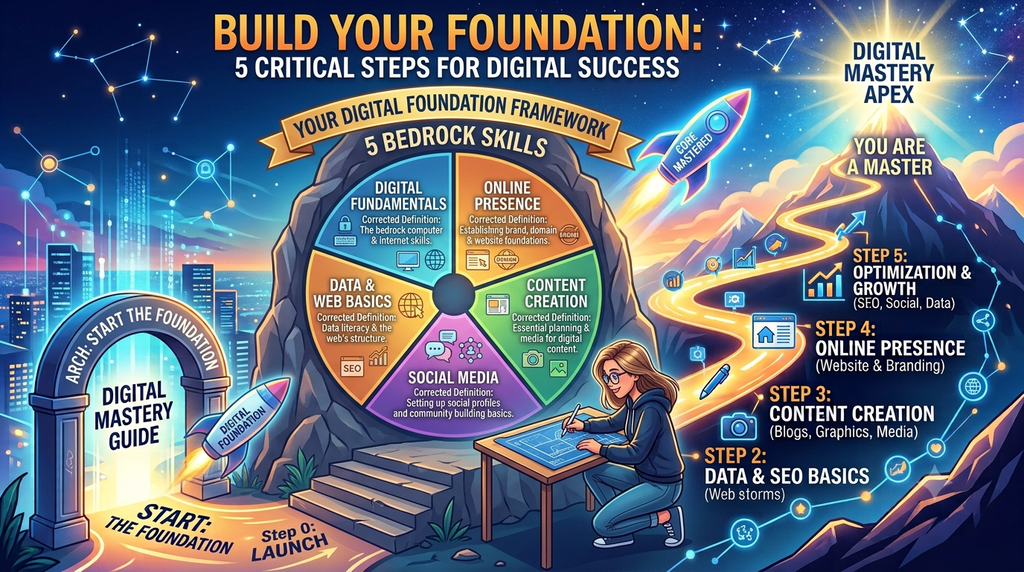
Once your platform is chosen, set up the fundamental elements that keep your site secure, readable, and functional.
- Prioritize User Experience (UX): Choose a clean, mobile-responsive layout. Ensure your navigation menu contains no more than 4–6 core pages (Home, About, Services/Products, Blog, Contact).
- Install Essential Analytics: Set up Google Analytics 4 (GA4) and Google Search Console to monitor who visits your site and how they find you.
- Implement Basic Security: Ensure your SSL certificate is active (your URL should begin with
https://). Use strong, unique passwords and enable two-factor authentication (2FA) across all administrative accounts.
Phase 3: Content & Search Optimization
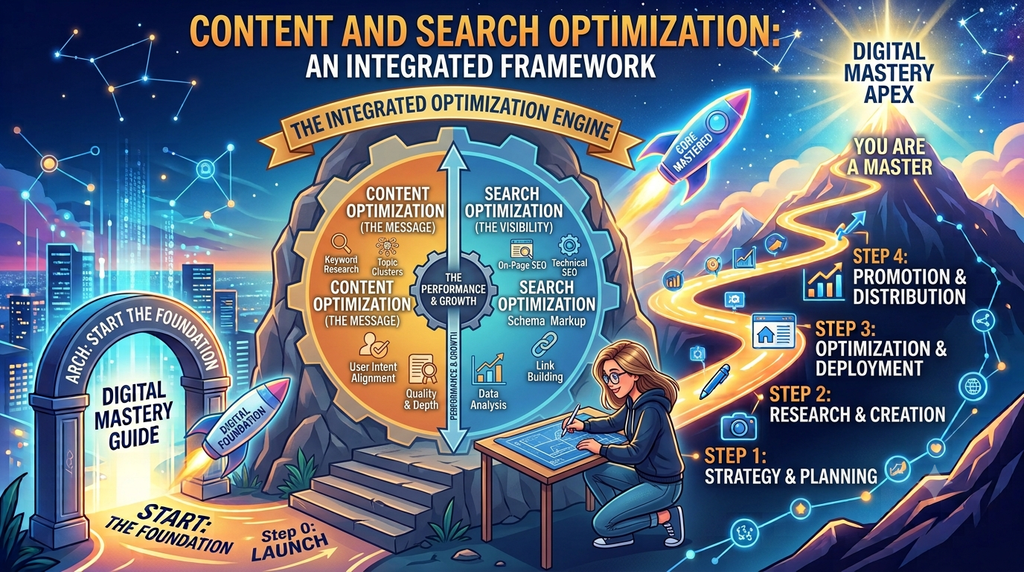
High-quality content combined with basic Search Engine Optimization (SEO) ensures your site gets discovered by the right audience.
The Basic SEO Checklist
- Keyword Research: Identify 3–5 core phrases your target audience searches for using free tools like Google Keyword Planner or AnswerThePublic.
- On-Page Optimization: Include your target keyword in the page title, primary heading (H1), URL slug, and naturally within the first 150 words of your content.
- Meta Descriptions: Write compelling, 150-character meta descriptions for every page to improve click-through rates from search results.
Content Strategy
- Focus on solving specific problems for your audience rather than broadcasting general updates.
- Aim for consistency over frequency. Publishing one high-value post per week is far more effective than posting daily without a strategy.
Phase 4: Expand Your Reach
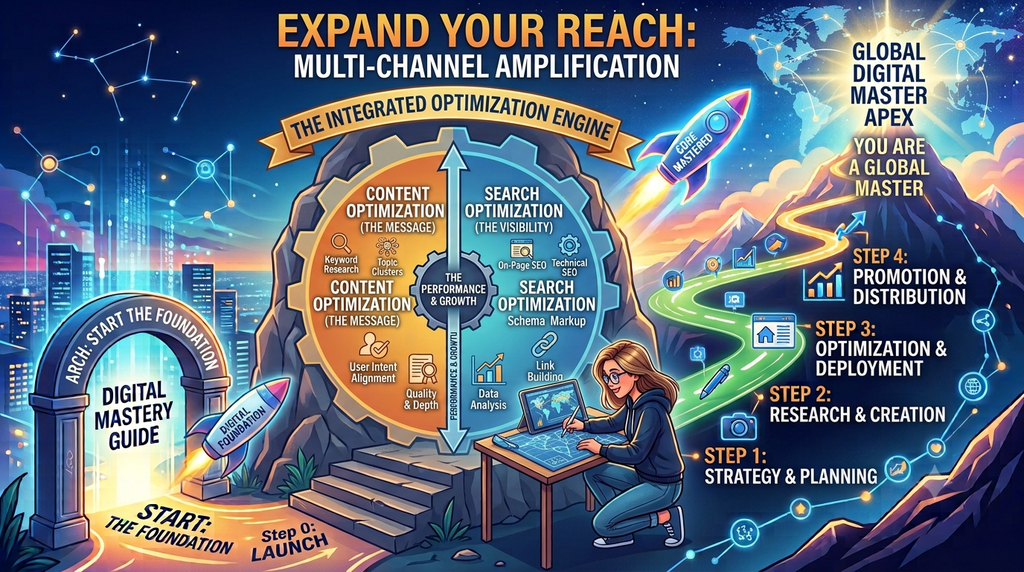
A great website needs distribution to gain momentum. Focus on one or two channels initially rather than stretching yourself thin across every platform.
       [ Your Website / Core Hub ]
                   │
    ┌──────────────┴──────────────┐
    ▼                             ▼
[ Social Media ]          [ Email List ]
(Traffic Driver)          (Direct Relationship)
- Email Marketing (Owned Media):
- Start collecting email addresses from day one using a simple sign-up form.
- Offer a valuable resource (a checklist, template, or guide) in exchange for their email address.
- Use tools like MailerLite, ConvertKit, or Mailchimp to send regular updates.
- Social Media (Rented Media):
- Choose one primary platform where your target audience is most active (e.g., LinkedIn for B2B, Instagram/TikTok for visual consumer content, X for tech/creators).
- Repurpose your website content into platform-native posts to direct traffic back to your site.
Phase 5: Analyze and Iterate
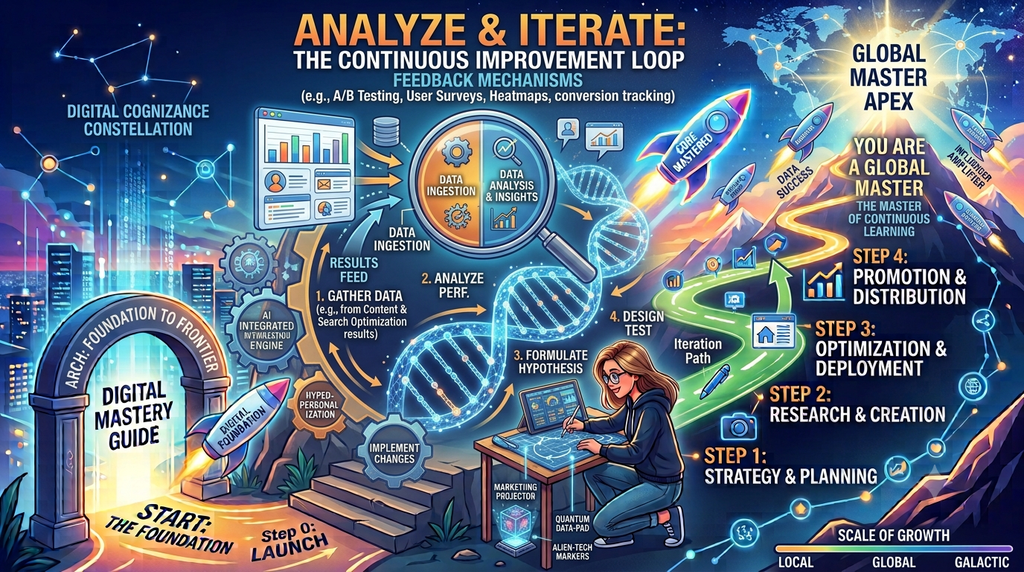
Digital mastery isn’t a one-time setup; it’s an ongoing process of refinement.
- Review Key Metrics Monthly: Look at your top-performing pages, traffic sources, and bounce rates.
- Double Down on What Works: Identify which topics attract the most engagement and create follow-up content or related resources.
- Fix Weak Points: If visitors leave a specific page quickly, review the content clarity, page load speed, and call-to-action.
Key Takeaways
| Step | Focus Area | Action Item |
| 01 | Setup | Register a domain and secure a matching custom email. |
| 02 | Platform | Build a simple, mobile-friendly site with clear navigation. |
| 03 | Content | Publish targeted, problem-solving content regularly. |
| 04 | Growth | Build an email list to establish a direct audience relationship. |
| 05 | Optimization | Review analytics monthly and adjust your strategy based on data. |
Digital success comes from consistent execution, constant learning, and adapting to what your data tells you. Focus on mastering one phase at a time.