
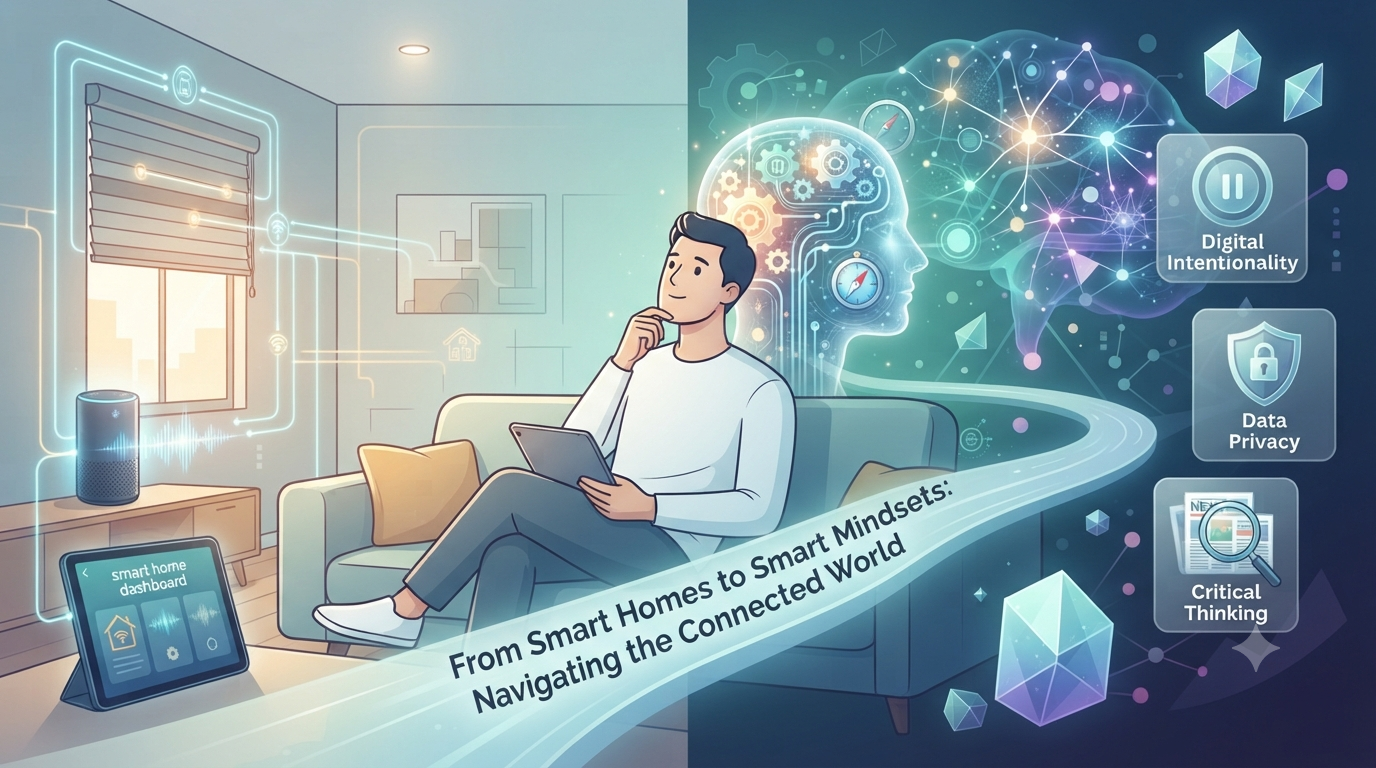
Imagine waking up to the gentle hum of your smart blinds opening, a freshly brewed cup of coffee waiting in the kitchen, and your virtual assistant reading out your schedule—all before you’ve even stepped out of bed.
We have successfully built a world of “smart homes.” Our refrigerators can order groceries, our thermostats learn our habits, and our watches track our sleep cycles. But as we seamlessly integrate artificial intelligence and IoT (Internet of Things) into the fabric of our daily lives, a critical question arises: Have our mindsets evolved to keep pace with our technology?
Having smart devices is no longer the final frontier. To truly thrive in a hyper-connected ecosystem, we must transition from merely curating smart homes to cultivating smart mindsets. Here is how we can navigate the modern connected world with intentionality, security, and balance.
The Illusion of Convenience
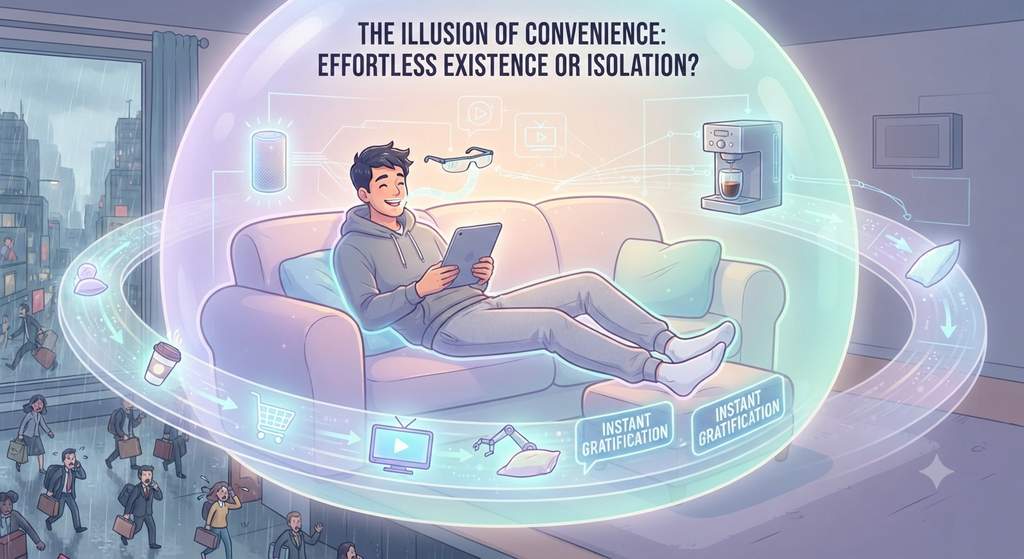
Technology is fundamentally designed to remove friction. It saves us time, optimizes our routines, and outsources our minor daily decisions. However, this hyper-convenience comes with a hidden cost: passive consumption.
When our environments become entirely automated, it is easy to slip into autopilot. We surrender our data without reading the terms and conditions, we let algorithms dictate our entertainment and news, and we allow notifications to fracture our attention spans. A smart home optimizes our environment, but without a smart mindset, we risk letting the technology manage us.
What is a “Smart Mindset”?
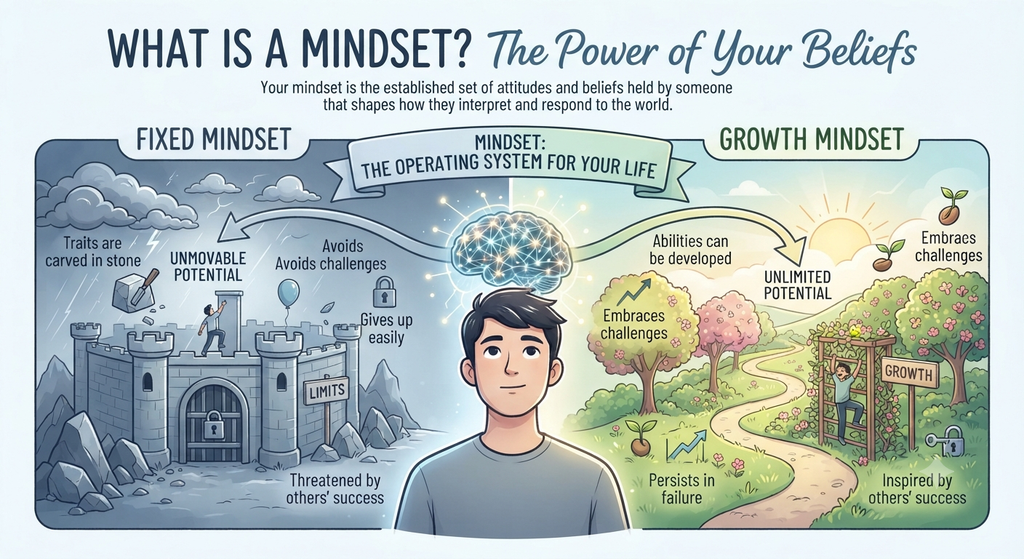
A smart mindset is the psychological and practical framework required to live intentionally in a digital world. It shifts our relationship with technology from passive consumption to active curation.
Cultivating this mindset relies on three core pillars:
1. Digital Intentionality
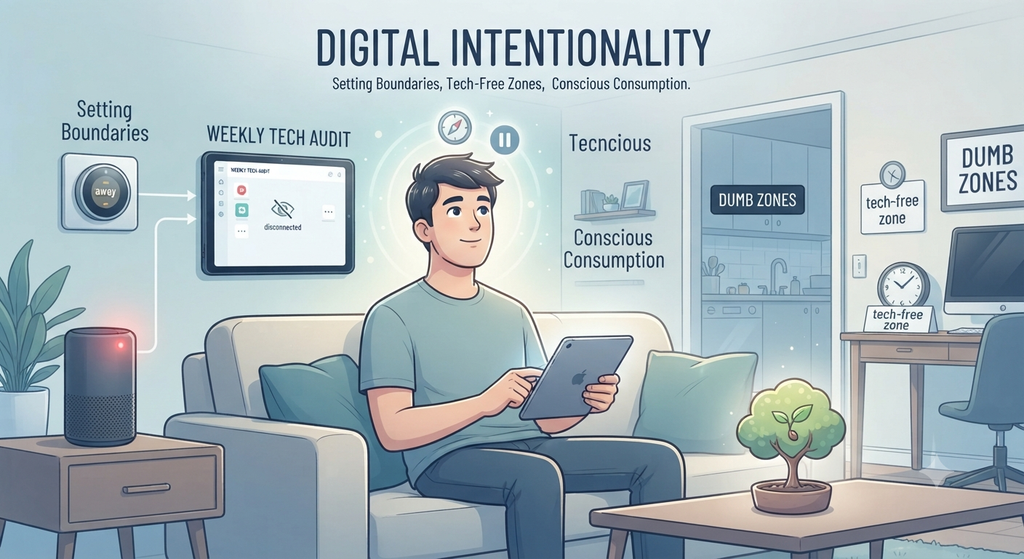
A smart mindset means recognizing that not every moment needs to be optimized, tracked, or connected. It involves setting deliberate boundaries with our devices. It is the ability to ask: “Is this piece of technology serving my well-being, or am I just using it out of habit?”
2. Data Literacy and Privacy
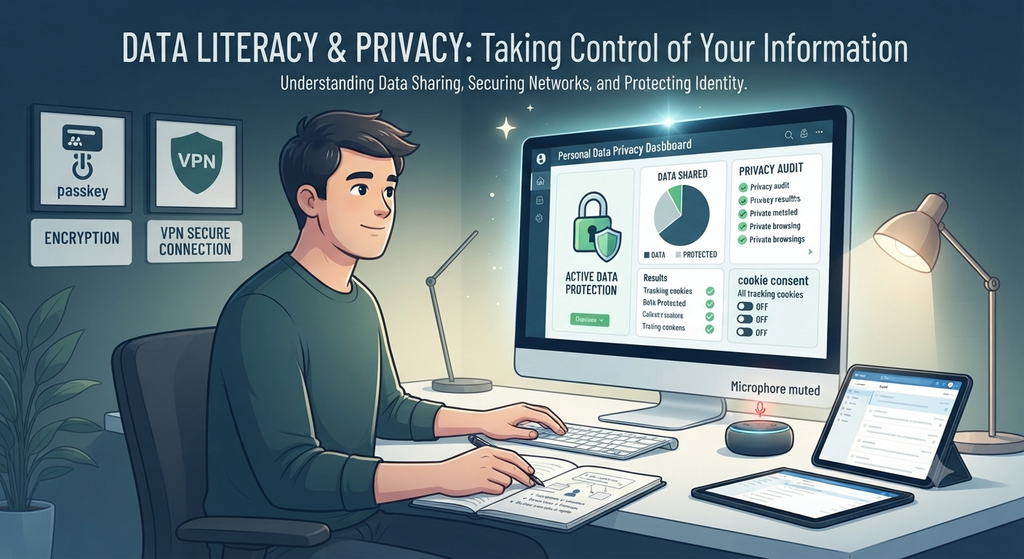
In the connected world, your data is the primary currency. A smart mindset requires a foundational understanding of digital privacy. It means moving past the “I have nothing to hide” mentality and taking active steps to protect your personal information, understand data-sharing agreements, and secure your home networks.
3. Critical Consumption
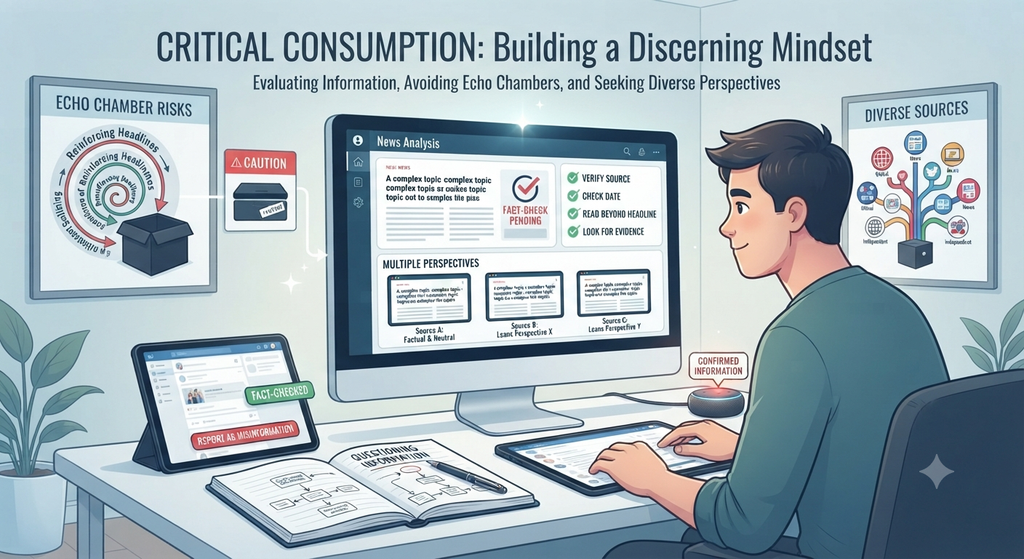
Algorithms are designed to feed us what we already believe, creating comfortable but dangerous echo chambers. A smart mindset actively resists this by seeking out diverse perspectives, fact-checking information, and maintaining critical thinking in the face of deepfakes and AI-generated content.
4 Ways to Upgrade Your Mindset Today
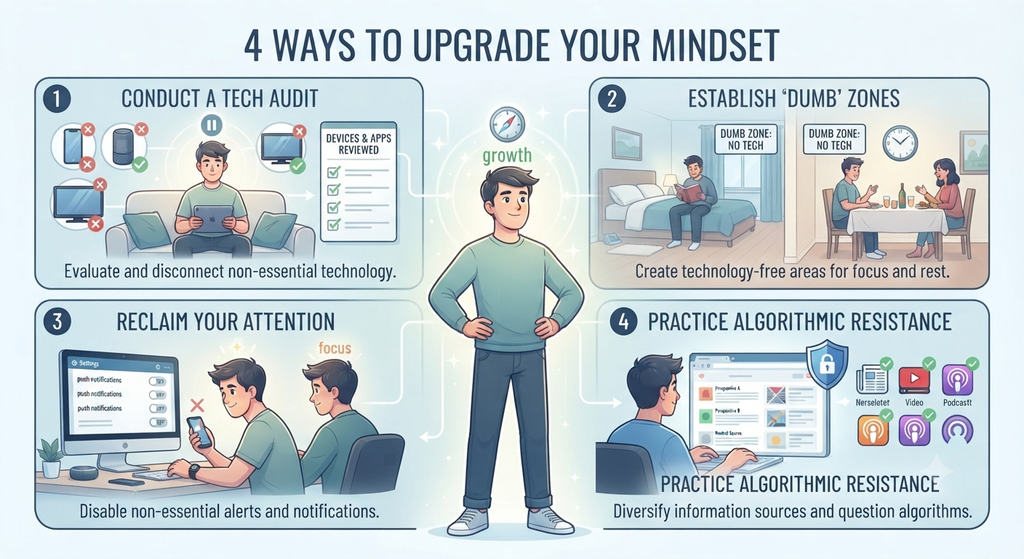
Ready to upgrade your mental operating system? Here are actionable steps to help you build a smarter mindset for the connected world:
- Conduct a Tech Audit: Take an inventory of the smart devices in your home and the apps on your phone. If a device or app no longer adds tangible value to your life, disconnect it, delete it, or turn off its background data.
- Establish “Dumb” Zones: Dedicate specific areas of your home where smart technology is not allowed. A tech-free dining room or bedroom can drastically improve your relationships and your sleep hygiene.
- Reclaim Your Attention: Turn off non-essential push notifications. Recondition yourself to check your devices on your schedule, rather than allowing your devices to demand your attention.
- Practice “Algorithmic Resistance”: Confuse the algorithms that track you. Intentionally search for topics outside your normal bubble, use privacy-focused browsers, and read news from multiple, conflicting sources to keep your critical thinking sharp.
The Ultimate Smart Device
The rapid advancement of technology is not slowing down. As we move further into the era of ambient computing—where technology is invisible but everywhere—the need for a grounded, intentional approach to life will only grow.
We can fill our homes with the most advanced sensors and processors on the market, but the most powerful tool in navigating the connected world is the one we already possess. Ultimately, the best way to manage a smart home is with a smart mind.
What is one boundary you have set with technology that has improved your daily life? Let us know in the comments below!