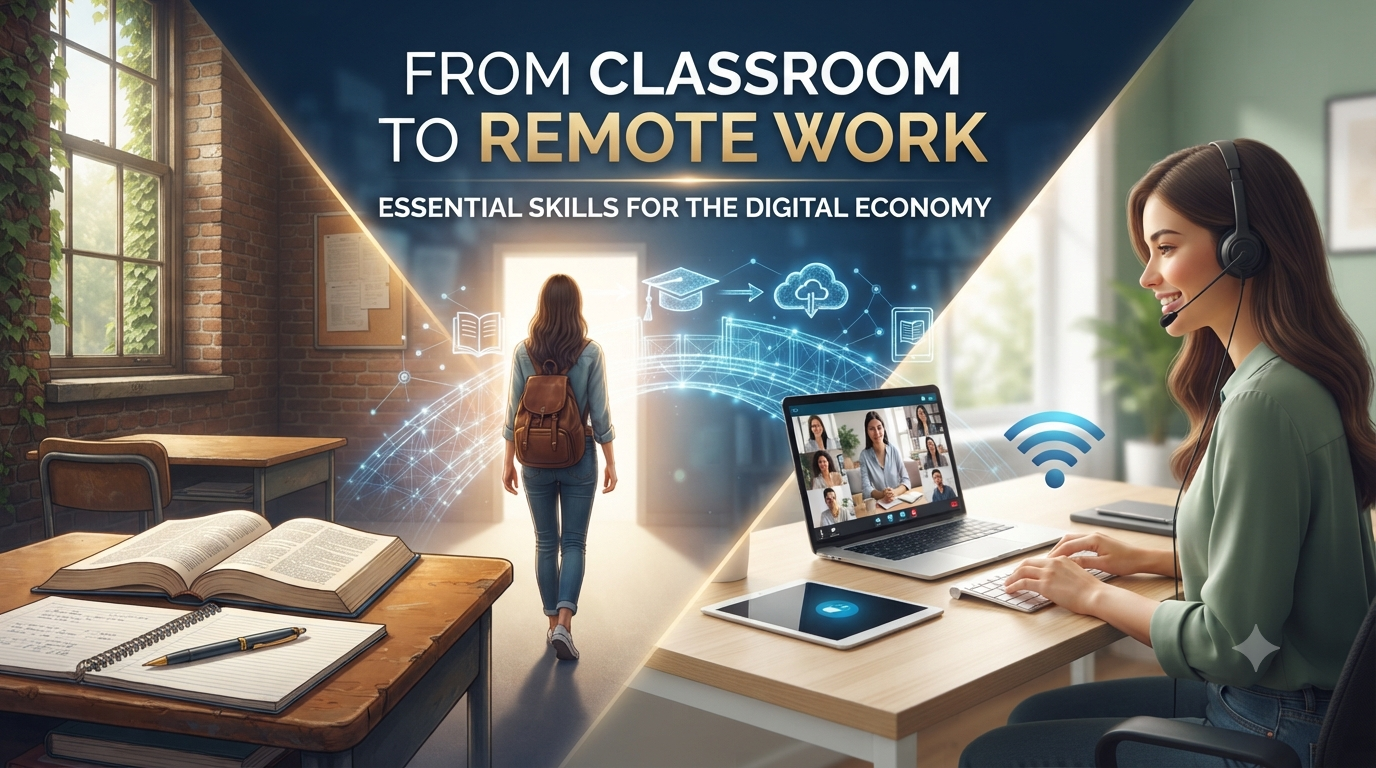
Transitioning from the structured environment of a classroom to the dynamic world of remote work can feel like stepping onto a whole new playing field. Gone are the days of raising your hand for help or receiving a printed syllabus outlining every deadline. Instead, the modern digital economy demands a fresh blend of technical proficiency and self-management.
Whether you are a recent graduate, a student preparing for your first internship, or someone pivoting careers, mastering a few core competencies will set you up for long-term success.
1. Digital Literacy and Tool Agility
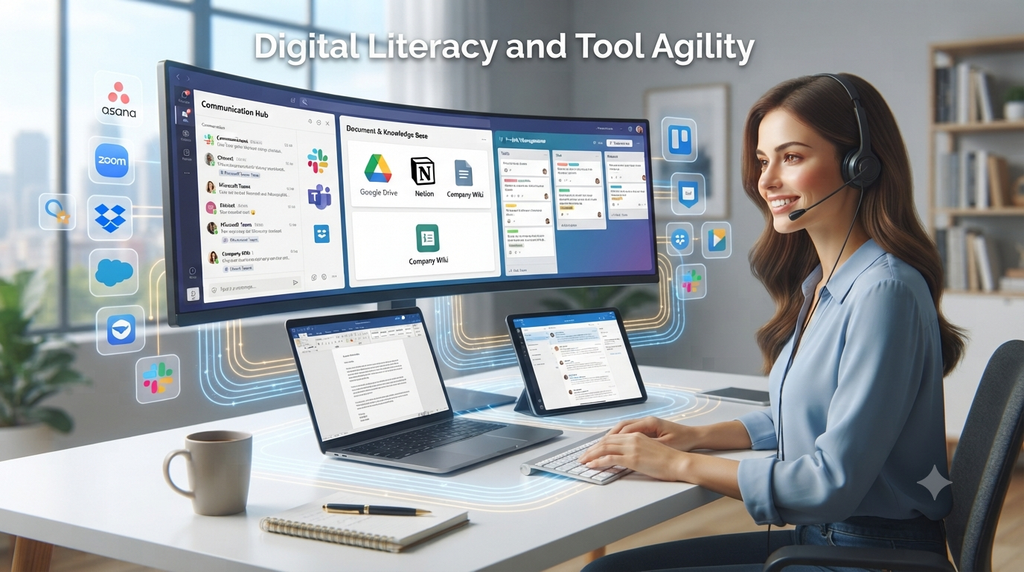
In a physical classroom, your primary tools were a notebook, a pen, and perhaps a campus-specific portal. In remote work, your office lives in the cloud.
- Master Collaboration Suites: Get comfortable moving fluidly between communication hubs (like Slack or Microsoft Teams), document editors (Google Workspace, Notion), and project management boards (Trello, Asana, Jira).
- Embrace Continuous Learning: Tech stacks evolve rapidly. The ability to quickly teach yourself a new software platform without a formal tutorial is one of the most valuable assets you can possess.
2. Autonomous Time Management
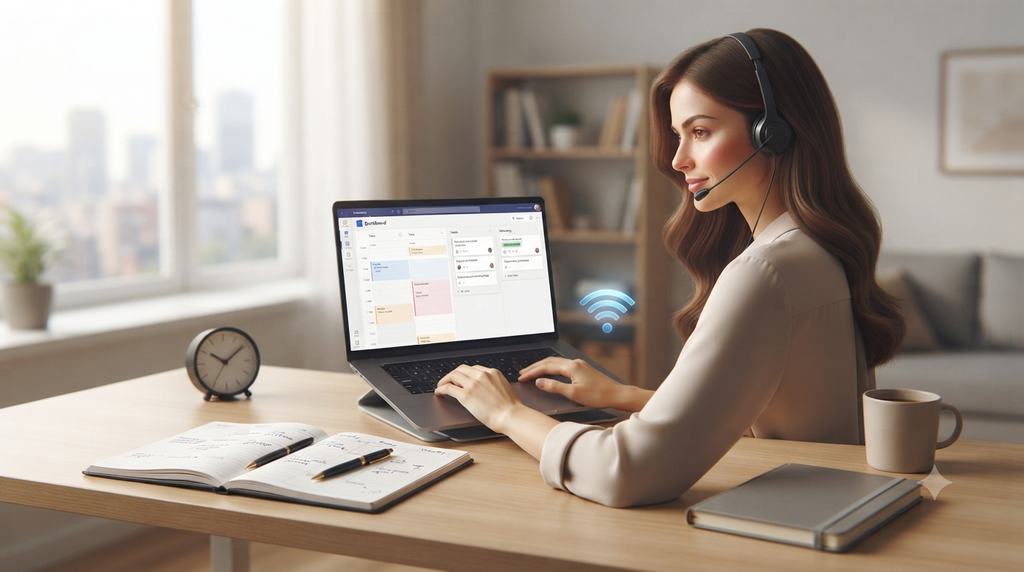
Classrooms provide built-in accountability through bell schedules and daily attendance. Remote work swaps that structure for results-oriented autonomy.
- Define Your Workflow: Establish a dedicated workspace and set clear working hours to separate your professional life from your personal life.
- Prioritize Impact: Utilize productivity frameworks like the Eisenhower Matrix or time-blocking to focus on high-priority tasks rather than just staying busy.
3. Intentional Written Communication
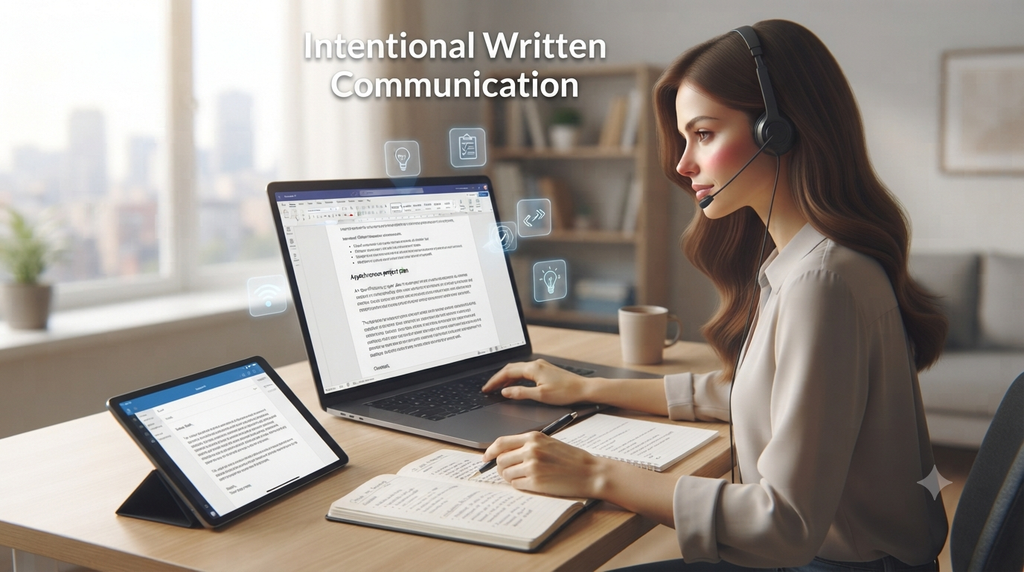
When you cannot tap a colleague on the shoulder or speak up during a lecture, your writing becomes your primary voice.
- Clarity Over Brevity: Learn to write concise, structured messages that anticipate questions before they are asked.
- Overcome the Asynchronous Gap: Remote teams often operate across different time zones. Practice providing thorough context in your messages so projects do not stall while you are offline.
4. Emotional Intelligence and Virtual Empathy
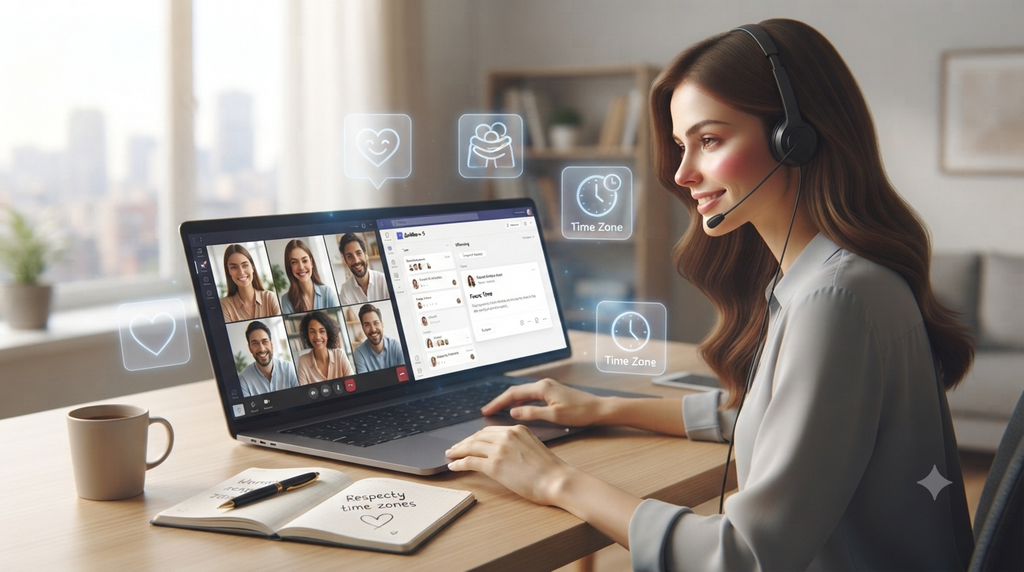
Working behind a screen can sometimes detach us from the human element of collaboration. Cultivating strong interpersonal skills digitally is vital.
- Active Engagement: Turn your camera on during video calls when appropriate, nod to show engagement, and use emojis or tone-indicators thoughtfully to convey warmth in text.
- Respect Boundaries: Understand your teammates’ availability and time zones, avoiding burnout by respecting “off-hours.”
Your Next Steps
The shift from classroom learning to remote execution is a journey of growth. You do not need to master every tool and technique overnight; start by picking one area—such as improving your digital organization or refining your written communication—and build from there.
Pro Tip: Document your remote projects and collaborative milestones as you go. They will make a powerful addition to your digital portfolio!
What is the biggest challenge you have faced moving from traditional learning to a digital environment? Let’s discuss in the comments below!